Maxim Meyer-Horn

13 Mar 2023
Music

Jeshi: “I Don’t Want to Be a Crystal-Clean Magazine Cover”

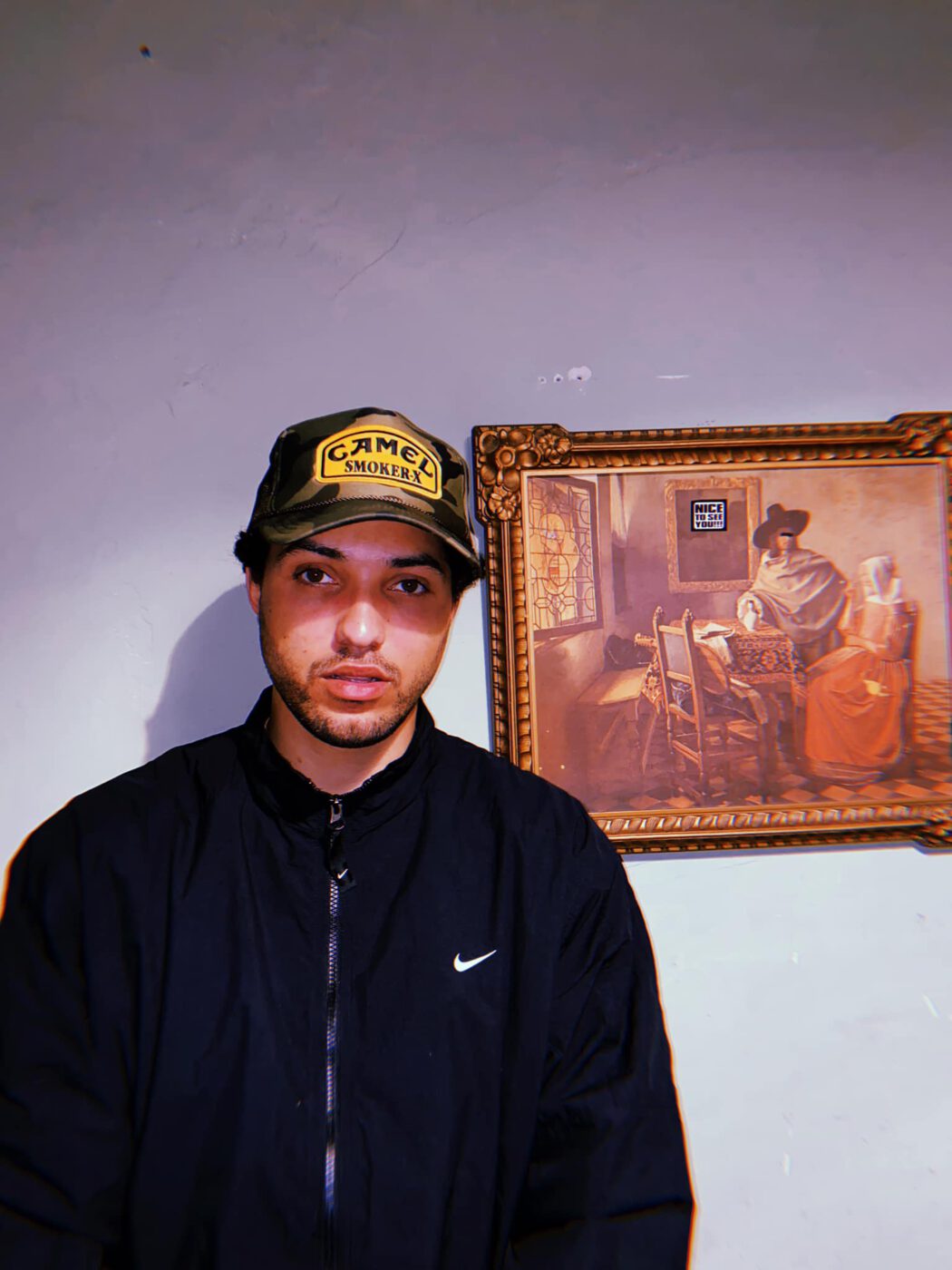
A rollercoaster is often used as a metaphor for life, but looking at the trajectory of South London rapper Jeshi, that comparison fits perfectly. Dreaming as a teenager of joining the hip-hop world, he has grown into one of the most promising artists on the scene. His debut album ‘Universal Credit’ was released last summer and was received lyrically by the press because of its storytelling. He never read the reviews of his album, as our conversation with him revealed just before his show in Berlin.

How’s the tour so far?

It’s been amazing. I’ve played in different cities before, but it’s my first time playing in different cities back to back. I’m really appreciative to see how my music connects with people—even in countries or cities where I don’t know a single person. It’s been a very grounding experience, and I loved playing these new songs.

The album was received incredibly well. How was it to read all these positive reactions to such a personal work?

I don’t read them. I like hearing what people in real life say. Even the Pitchfork review, I’ve never read that. It doesn’t really matter to me because it’s just someone’s opinion. Sometimes it’s hard. As you start paying so much attention to people’s opinions, it starts influencing how you make things and waters down what the art should be at the end of the day.

What did you want to showcase on this album?

What I love about it is that I dug a bit deeper and gave a lot of myself in stories and parts of my life through the music that I maybe hadn’t done before. People really connected with that, so that’s been great.
How did hip-hop become your outlet to express your feelings?

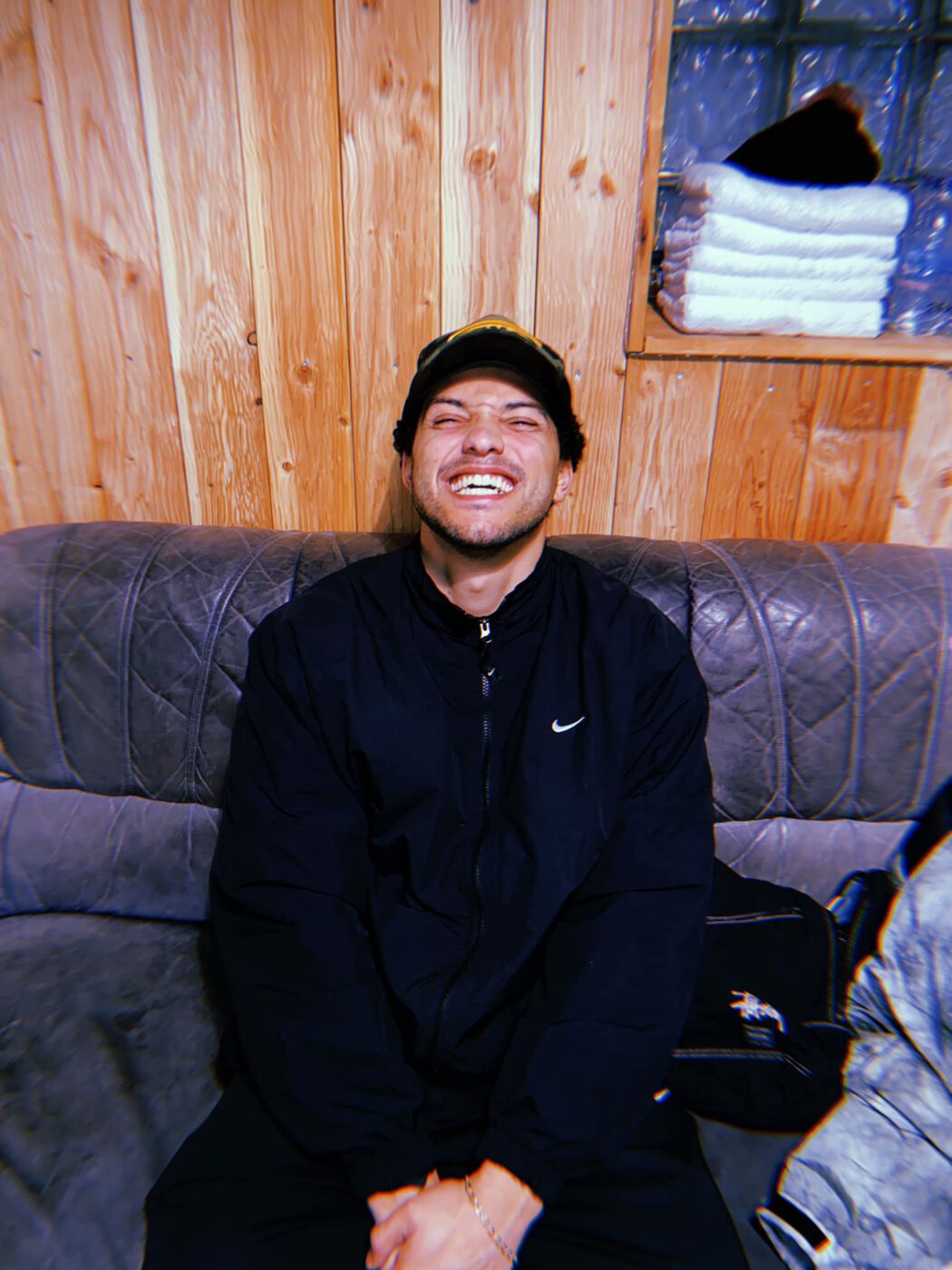
It’s something I accidentally stumbled on when I was young. When I was twelve-thirteen, I had people around me who would mess around making stuff. I fell in love with the craft of it. I think lots of young people. I never had much aspiration or a thing I was working towards. It became my world and a way, for me, to express who I am and how I feel about things. Music has probably been the most important thing in my life.

How is it for you to realize that you might be a role model for kids who have a difficult childhood?

What I think is important is that you don’t need to paint yourself as “perfect”. To be a role model doesn’t mean that you need to be a perfect human. I’m not perfect by any means and did a lot of things I wish I never did. But I think people connect with my music because it’s honest and kind of lets you know that I don’t want to be a crystal-clean magazine cover. It’s more of an honest portrayal of me, showing my good and bad sides. Most artists paint this rosy picture to people all the time, but I don’t try to do that.

Besides the album itself, we’re very intrigued by the artwork. What does the image reflect?

The artwork is a slight social commentary. When I was young, you’d see anyone who’s on benefits getting help from the government, people look at them as if they won the lottery: riding around in a Ferrari, and living in Beverly Hills. While in reality, life isn’t great, and the amount of money they give you isn’t enough to make any substantial change in your life. It’s just enough to get by. I wanted to put that little amount of money that I was getting on this really big check to illustrate the actual amount compared to how people view it. A lot of the time, when you have something to say, a little bit of humor is a good way to get people to connect to it.

You touch on many different topics in your music. Is it easy for you to share these personal statements with the world?

I think it’s pretty easy for me because it’s not a real conscious thing. It’s more speaking about where my head is at and what I’m feeling. Some artists do that really well and can paint an imaginary world, but that’s not my thing. The world that I build within my music is my own: the real world. It’s about painting it as well as possible, and that comes quite naturally to me.

You’re currently on tour to promote the album. What are you working on next?

I’m working on a lot of new music. I wouldn’t say it’s a left turn, but it’s definitely a pivotal way from Universal Credit. I love the album, but what happens when you make a project that says something? People try to box you in and describe who you are. That’s something I want to avoid by mixing it up. I’m super excited about the new stuff I’m releasing soon. It feels new and exciting.

Jeshi is currently on tour in Europe and the UK

Interview: An Introspective Dive Into Ego, Art, and Raw Sound With Pop Icon Agnes After nearly two decades in music, Swedish artist Agnes is entering her rawest, most personal era yet. Her new album…
PREMIERE: GET INTO BIBI SECK’S BOX! Bibi Seck, Belgium’s celebrated DJ queen, known for her vibrant mix of house, disco, techno and all things funky, now…
10 Things Chibi Ichigo Says “BUH” Too Chibi Ichigo is nothing less than a lyrical genius. The Brussels-based artist has been grabbing our attention repeatedly over the…
INTERVIEW: PinkPantheress about Fashion and Self-Expression PinkPantheress has never been one to play by the rules, whether in music or in fashion. Just as her sound…
X

Subscribe here for free pizza*

(*Pizza might actually be our newsletter)

This site uses cookies. By continuing to browse the site, you are agreeing to our use of cookies.